The Bengaluru Bike Taxi Crackdown: Ola, Uber, Rapido, and the Fight for Last-Mile Connectivity
Karnataka App-based Workers Union (KAWU) had threatened to launch a strike if the action will not be taken for the bike taxi under whitboard registration.
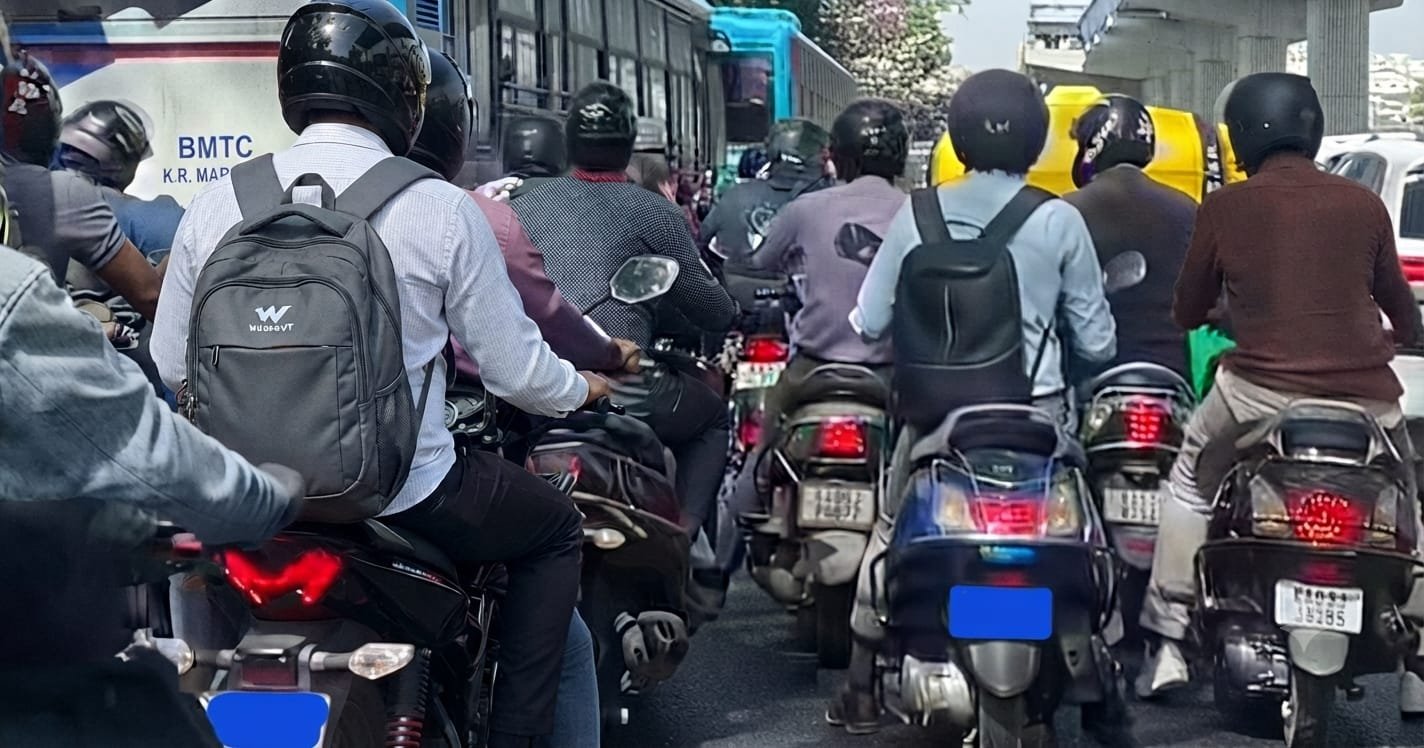
Bengaluru, famously known as India's Silicon Valley, is equally famous for its everyday traffic. For years, bike taxis operated by aggregators like Rapido, Ola, and Uber emerged as the ultimate savior for daily commuters seeking affordable, swift, and efficient last-mile connectivity. However, the bike taxi ecosystem in Karnataka's capital has been plunged into regulatory turbulence.
A series of aggressive crackdowns by the Karnataka Transport Department ordered to seize the bike taxi. The Vehicle RC (Registration Certificate) and Driver License also will be suspended if caught using illegal operation of a bike taxi.
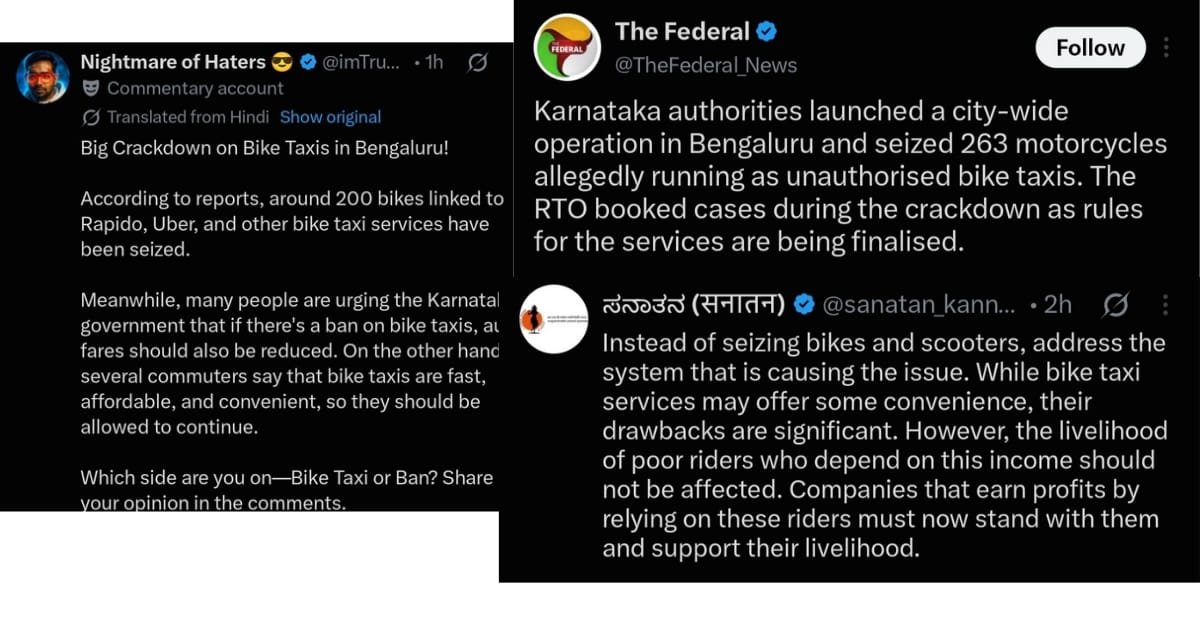
People over the internet raising different questions on the bike taxi crackdown
Why Bengaluru is Cracking Down on Bike Taxis: The Story Behind the Controversy
The protracted fight between ride-hailing aggregators and the state government is a complex cocktail of archaic motor vehicle laws, safety worries, and lobbying from traditional transport unions.
The “Whiteboard” and “Yellowboard” Dilemma
Private vehicles cannot use white number plates for commercial purposes, as the Motor Vehicles Act, 1988, does not allow it. To run a vehicle commercially, you must register it with a yellow license plate, and this requires commercial permits, special insurance policies, and higher taxes.
Most bike taxi captains with Rapido, Uber, and Ola use their own whiteboard 2-wheelers. The Transport Department says it’s a clear violation of the law and runs targeted drives with transport officials dressed as customers to catch and punish riders involved in such practices.
The Three-Way Battle: Auto Unions, Aggregators, and the State
“It’s not a regulatory issue; the crackdown on bike taxis is a very hot socio-economic battle with three main actors.
1. Auto Rickshaw Lobby and Transport Unions
Bike taxis have been opposed by the strong auto-rickshaw unions in Bengaluru, like the Adarsha Auto Union and the Peace Auto Taxi Driver’s Association. They say unregulated bike taxis are slashing their daily earnings massively.
Unions say bike taxis do not pay commercial taxes or permit fees and are therefore in unfair competition. The rivalry has at times turned violent, with auto drivers allegedly harassing, blocking, and assaulting bike taxi riders at metro stations and tech parks.
2. Tech Aggregators (Rapido, Ola, Uber)
Aggregators argue that bike taxis are an essential component of a modern smart city. They provide crucial first-and-last-mile connectivity to Bengaluru's expanding Namma Metro network. The platforms argue that halting these services will severely inconvenience commuters and destroy thousands of flexible earning opportunities for youth and low-income individuals.
3. State Government and RTOs
The government is trying to strike a balance between promoting new technologies and law and order and protecting the interests of traditional transport sectors. Pressure from auto unions, coupled with revenue losses from unpaid commercial vehicle taxes, has repeatedly pushed the government to authorize RTO crackdowns, resulting in more than 230 seized vehicles.
Impact on Commuters
Bike taxis are a lifeline for millions of techies, students, and daily wage earners. They have a fare structure that is often 50 % cheaper than auto-rickshaws and cabs and can cut through bumper-to-bumper traffic. No bike taxis: Commuters face inflated auto fares, refusal to give rides, and longer transit times
Impact on Poor People Whose Primary Source Is Bike Taxi
For many of the drivers, a bike taxi is their main source of income or an important second income that helps to combat inflationary pressures. Repeated crackdowns have created an atmosphere of fear. Drivers are always under the threat of having their private cars seized, of losing their jobs, and of being fined more than what they make in a month.
The Way Forward: How Can Bengaluru Resolve the Crisis?
"A complete ban on bike taxis is an impractical solution for a city growing as rapidly as Bengaluru. To resolve this standoff, a balanced regulatory framework is urgently needed." People light up social media.